

What is photojournalism? Why is it important? Photos tell stories better than words. They capture moments that inspire, inform, and teach. Using photography skills and honesty, photojournalism shows events as they really are. Students, photographers, or just curious people can learn from it.
Definition of Photojournalism

Photojournalism documents news, events, or social issues. It is a combination of storytelling, accuracy, timeliness, and ethics. The goal is to provide audiences with clear and insightful visuals.
History of Photojournalism
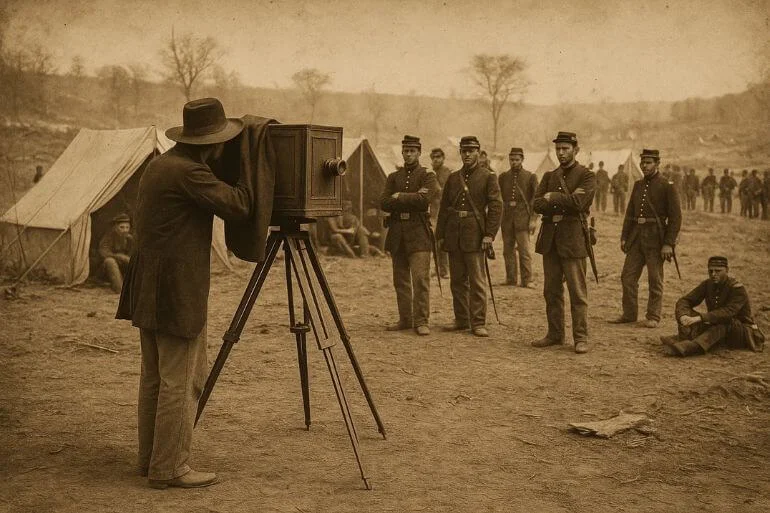
After the invention of photography in the mid-19th century, photojournalism began. Photographers documented wars, social issues, and everyday life in the early days. A major example was Mathew Brady’s documentation of the American Civil War.
Magazines and newspapers began using photographs in the late 19th century. News was reported using narrative images and captions in Life and Look magazines. Digital photography and online media made photojournalism faster and easier.
Types of Photojournalism
Photojournalism comes in different forms, each with its own focus and purpose. Understanding these types helps you see how photographers capture stories in unique ways.
1. Breaking News Photography
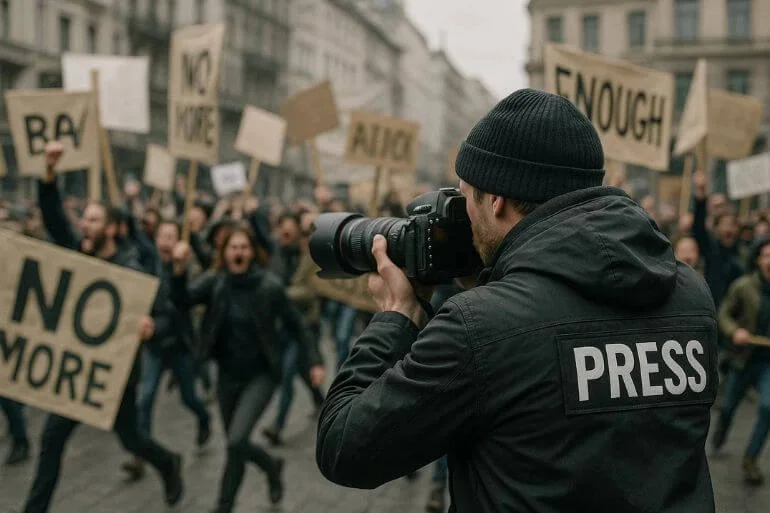
Captures immediate events like accidents, protests, or political rallies. These photos provide up-to-date information for the public. Example: Coverage of natural disasters or emergencies.
2. Conflict and War Photography
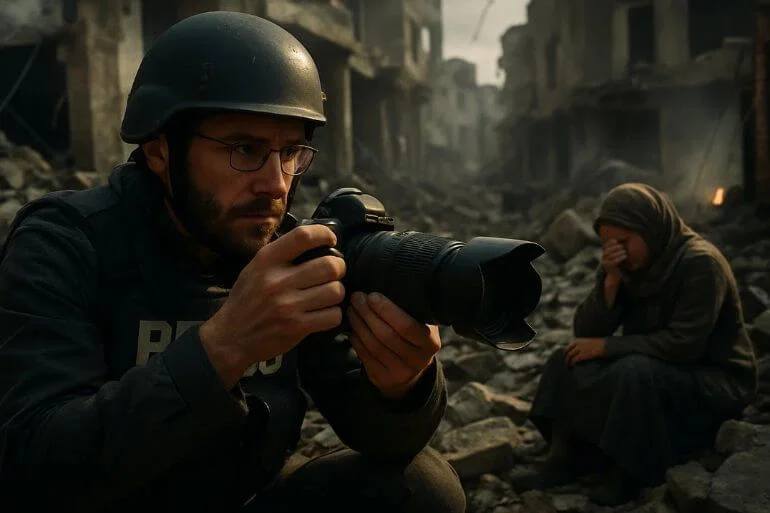
Focuses on battles, wars, and humanitarian crises. These images highlight the human impact of conflict. Example: Photos from war zones like Afghanistan or Syria. You can find powerful examples from World Press Photo.
3. Environmental and Cultural Photojournalism
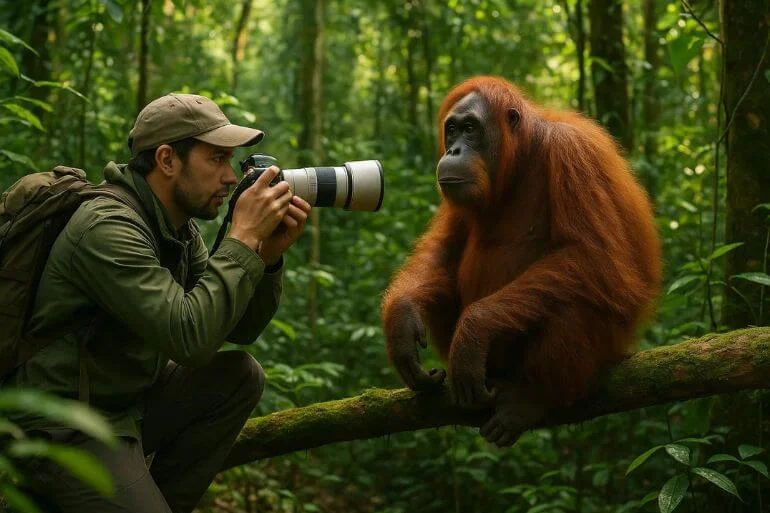
Highlights issues such as climate change, conservation, or local traditions. Example: Documenting endangered species or traditional festivals. Storytelling, accuracy, timeliness, and ethics are all components of photojournalism. Our Product Photo Editing Services offer editing techniques for all these types.
Skills Needed to Become a Photojournalist
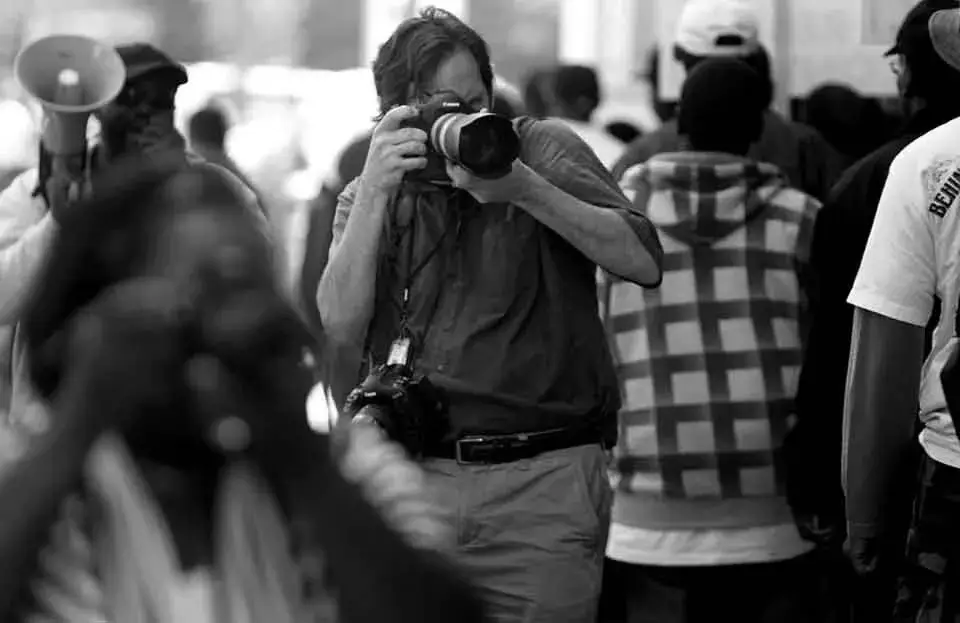
Becoming a successful photojournalist requires a mix of technical, creative, and ethical skills. Here are the most important ones:
- Technical Photography Skills: Learn how to use cameras, lenses, lighting, and editing software. For a deep dive, check out our guide on the best camera brands.
- Storytelling Skills: Capture emotions and scenes that deliver meaning.
- Ethical and Legal Knowledge: Follow strict codes like those outlined by the National Press Photographers Association (NPPA).
- Research and Observation Skills: Be ready to capture impactful, relevant moments.
- Communication and Networking: Build relationships with editors and local sources to discover and publish stories.
Mastering these skills allows a photojournalist to create authentic, impactful, and trustworthy content. With practice, these abilities can be applied across all types of photojournalism.
Tools and Equipment for Photojournalism
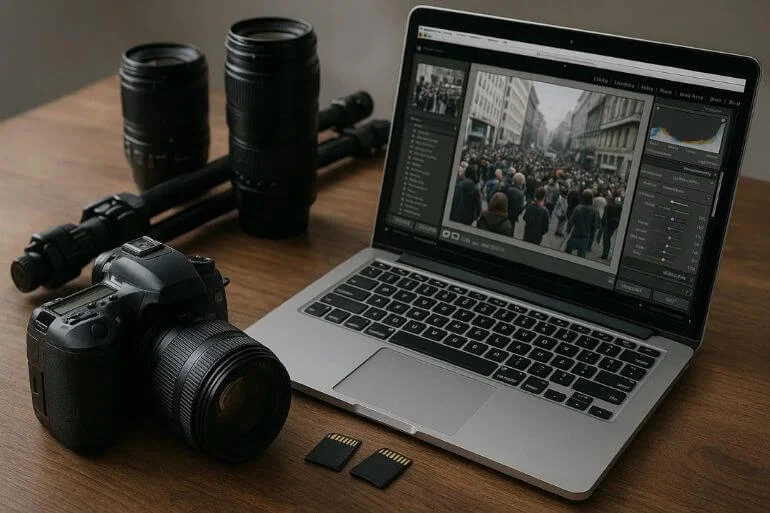
Photojournalists rely on the right tools to capture compelling and accurate images. Having the proper equipment helps ensure high-quality results and makes storytelling easier.
- Cameras: DSLR or mirrorless with high-resolution sensors.
- Lenses: A variety of lenses, including wide-angle, telephoto, and prime.
- Accessories: Camera bags, batteries, memory cards, and tripods.
- Editing Software: Lightroom and Photoshop.
- Multimedia Tools: Video cameras, audio recorders, and drones for dynamic storytelling.
Having the right tools combined with skills in photography, storytelling, and ethics allows a photojournalist to produce images that inform, inspire, and engage audiences.
How to Start a Career in Photojournalism
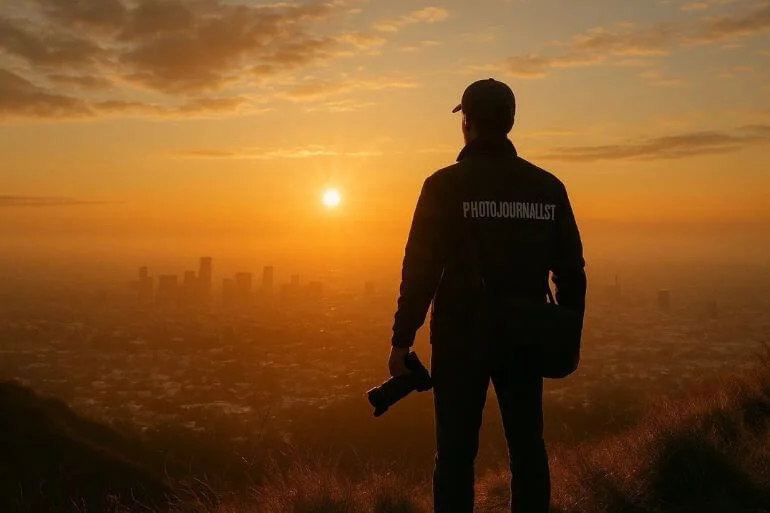
Starting a career in photojournalism requires education, hands-on experience, networking, and continuous learning. Here is a step-by-step guide with resources to help you get started.
- Learn Photography Basics – Master camera settings, composition, and lighting.
- Build a Portfolio – Showcase your work with news, events, or local stories.
- Gain Experience – Volunteer, intern, or assist media outlets.
- Develop Editing Skills – Learn Lightroom, Photoshop, and video tools.
- Network and Stay Ethical – Follow journalistic ethics.
By following these steps, aspiring photojournalists can build a strong foundation, gain exposure, and grow a meaningful career in visual storytelling.
Frequently Asked Questions (FAQs)
No. While all photojournalism involves photography, it requires storytelling, accuracy, and ethical considerations.
Yes, with dedication, technical skills, and a strong understanding of journalistic ethics.
Authenticity, emotional connection, and storytelling are key elements.
It allows faster sharing, multimedia storytelling, and wider global reach, but also brings challenges like misinformation and image manipulation.
Conclusion
Photojournalism is more than taking pictures—it’s about capturing stories that inform, inspire, and preserve history. From its early days to today’s digital media, photojournalists help shape how we see and understand the world.
Whether you want a career or just want to explore it as a hobby, now is a great time to start. Take photography courses, build your portfolio, and follow experienced photojournalists to learn from their work. Every photo can tell a story—what story will you share next?